
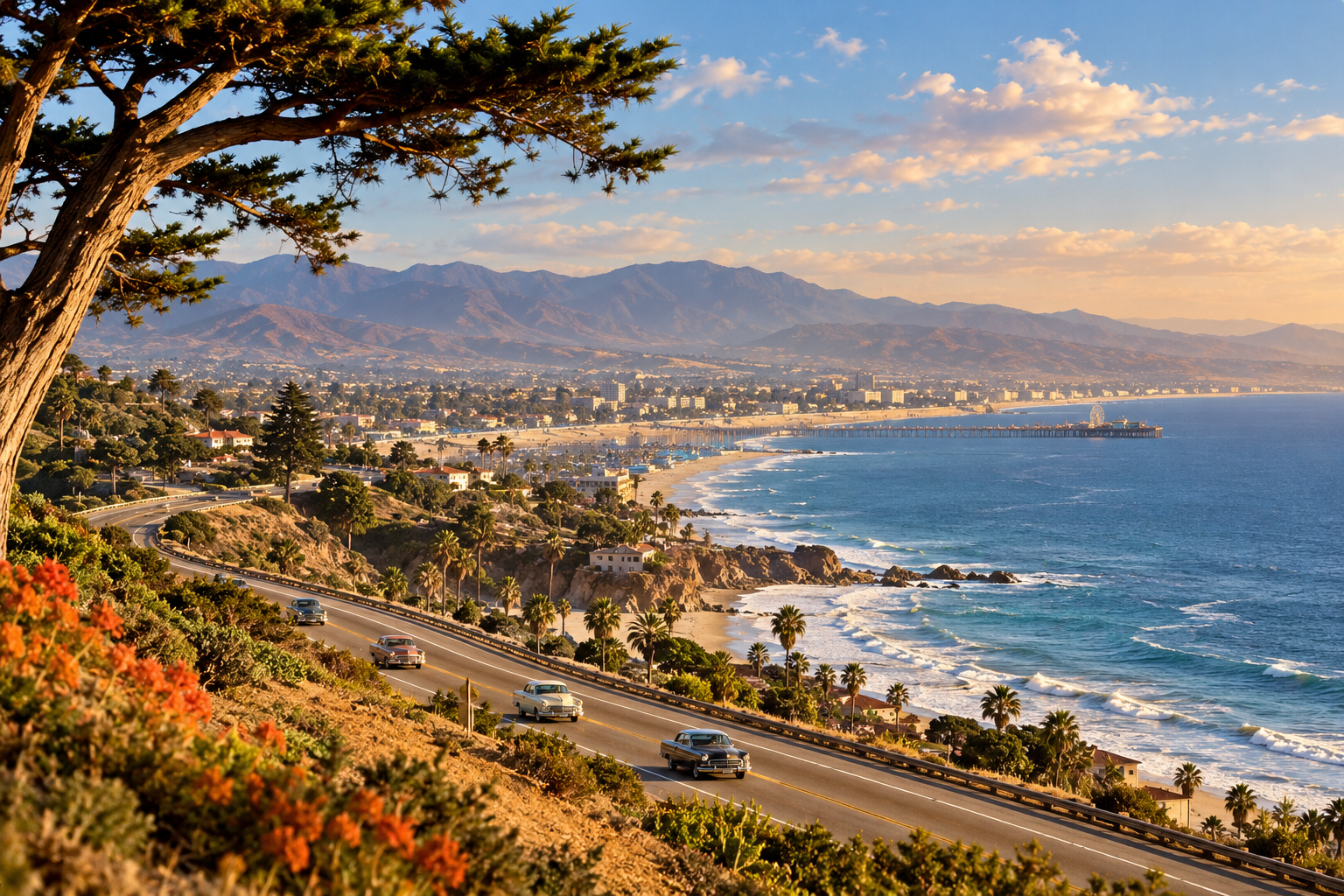
I was born in Glendale, California, in the mid-1960s, but my first memories are of Newhall, a little north of Los Angeles.
My family didn't come from money. There was no family inheritance waiting in the background, and neither of my parents had grown up with much material wealth. They were both missionary kids. Their ideas about what a family needed had been shaped by lives in which comfort wasn't necessarily expected.
So the house we lived in wasn't luxurious by any ordinary definition.
It was luxurious only to us.
As a child, of course, I didn't think about any of that. I didn't know what our house cost or how our income compared with anyone else's. I didn't know whether other families had more money in the bank.
I knew where we lived. I knew the people who lived there with me. And I knew that California seemed to have an endless supply of interesting places waiting beyond our front door.
Going Somewhere
Entertainment didn't necessarily mean buying a ticket.
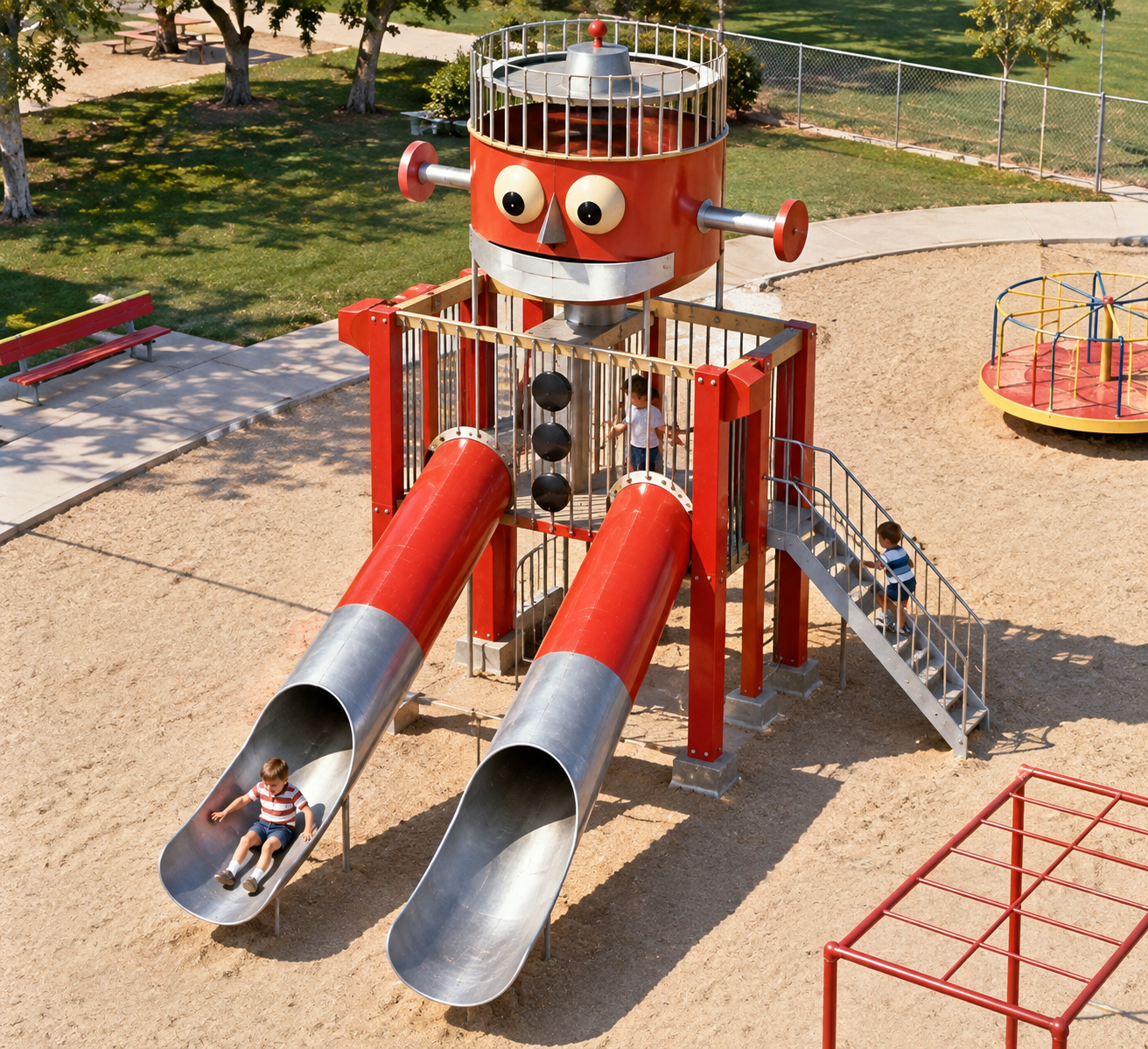
My mom and grandmother would take us to Hart Park. We went to the park in Saugus with the robot slide, which was exactly the sort of thing a child would remember long after forgetting the name of the park itself.
Sometimes we traveled farther.
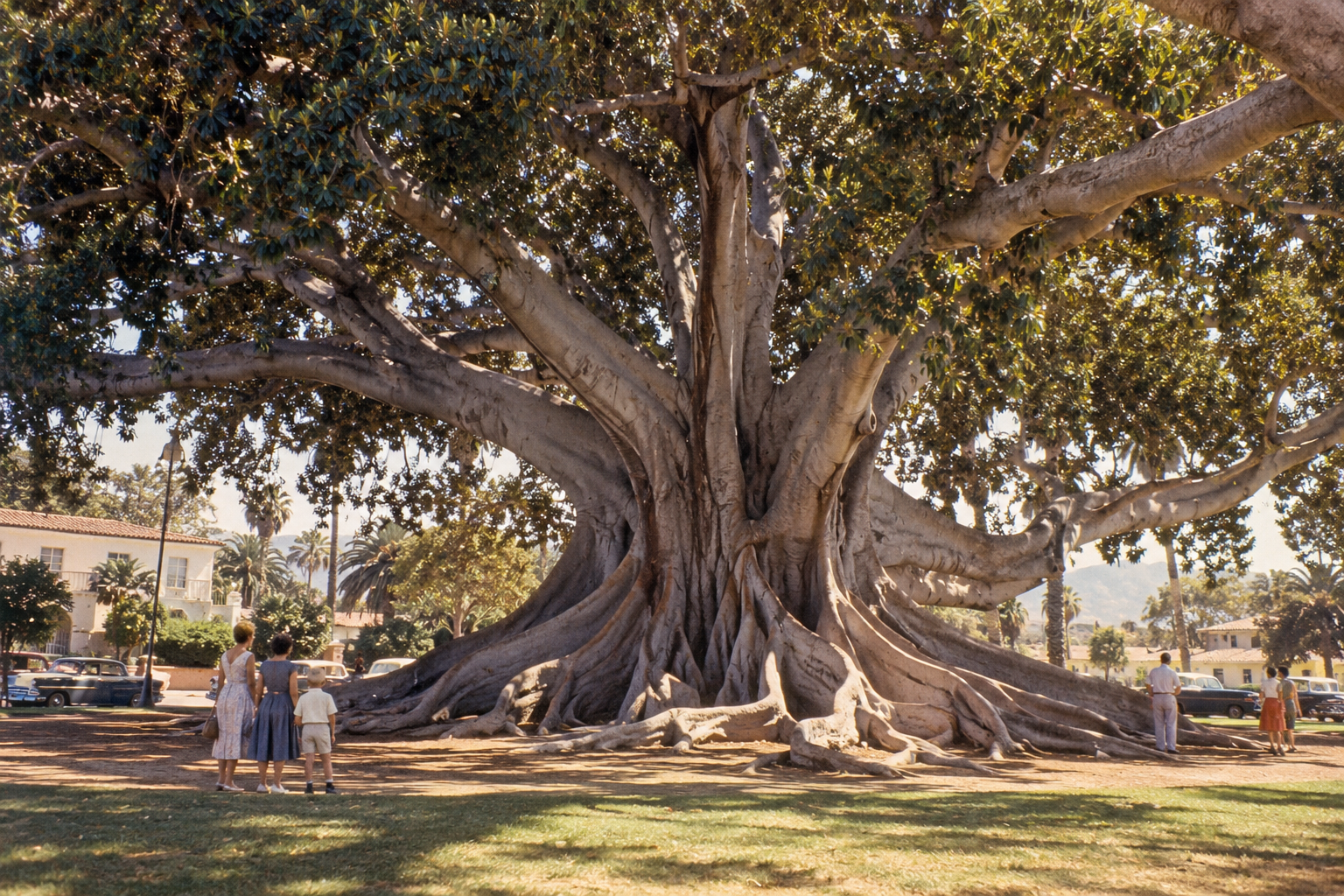
We went to Santa Barbara to see the Moreton Bay fig tree. It was simply an enormous tree, but that was reason enough to go see it. There was something wonderful about being told that a particular tree was extraordinary and then driving there to discover for yourself just how extraordinary a tree could be.
Those trips established an idea that has stayed with me for most of my life: you didn't need an elaborate destination to have an adventure.
You just needed somewhere worth going.
The Chevy Pickup
Our family trips were made in a Chevy pickup fitted with a camper shell over the bed.
That arrangement created extra room for children, belongings and whatever else a family needed for a trip. By modern standards, it probably wasn't an especially sophisticated way to travel. To us, it was transportation to practically anywhere.
And California gave us plenty of places to go.
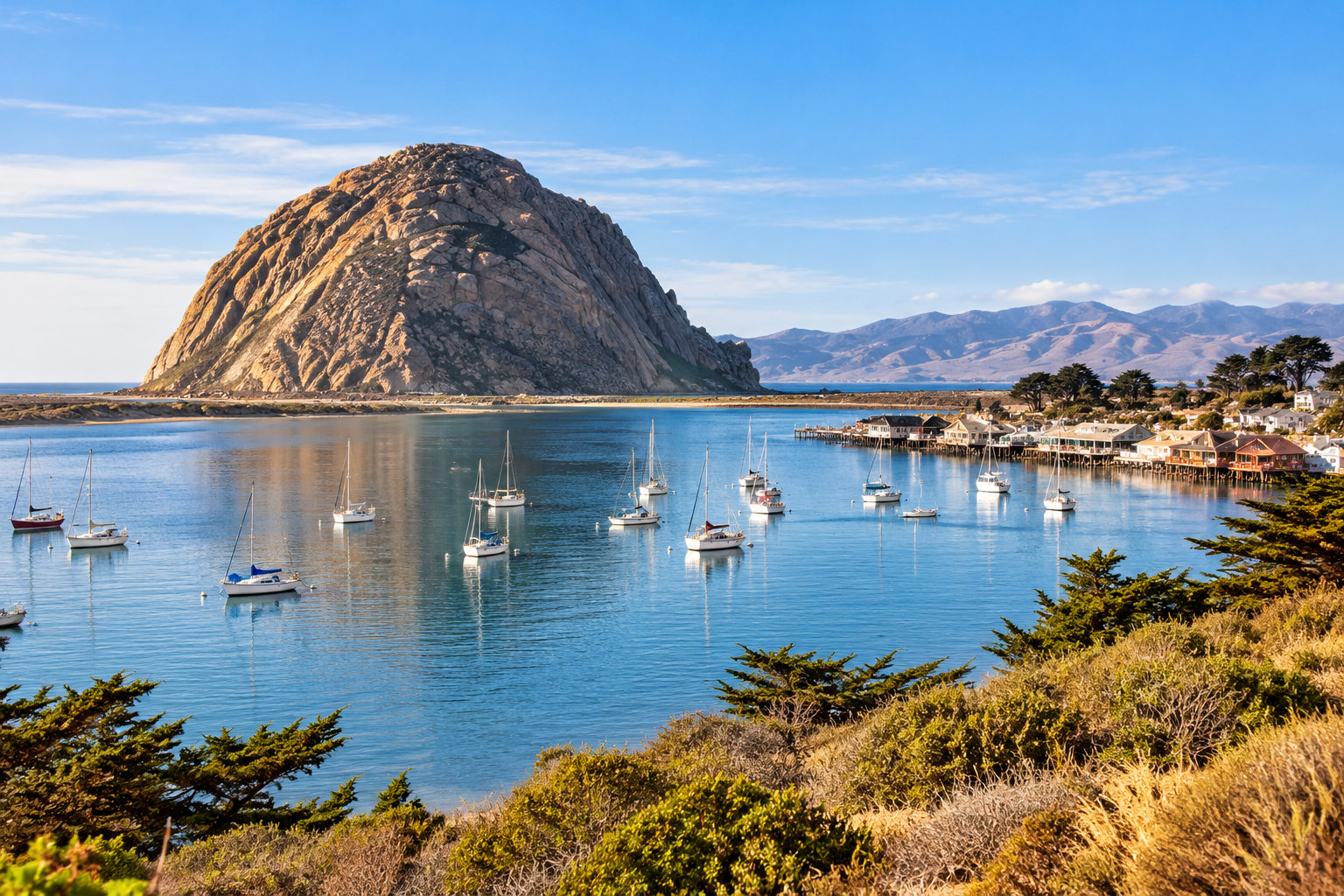
We went to Lake Isabella. We went to Morro Bay. We traveled into Sequoia National Forest, where the scale of the trees made the ordinary world seem suddenly very small. We explored Vasquez Rocks, with its great slabs of stone thrust upward from the earth at impossible-looking angles.
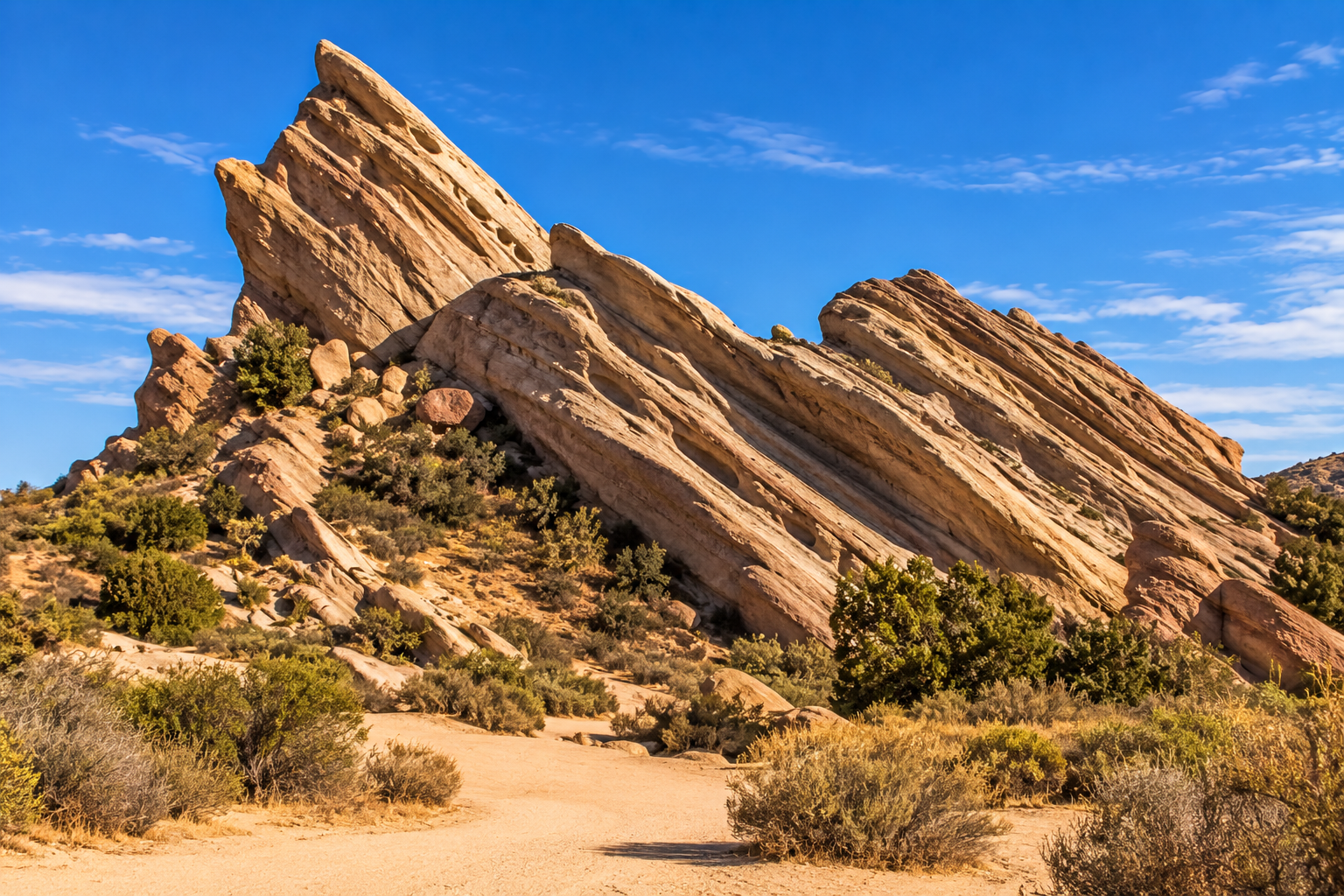
These weren't expensive vacations built around resorts, reservations and carefully planned itineraries.
We drove.
We looked.
We climbed on things.
We explored.
We ate what we had brought with us or what we could afford along the way.
Then, eventually, we climbed back into the Chevy and headed home.
I don't remember feeling that anything was missing.
Following the Lights
Even an ordinary evening could turn into an excursion.
Sometimes we would drive into the city and get fried burritos from Taco Treat. That alone could make the evening special.
Other nights, we might see Klieg lights sweeping across the Southern California sky.
For someone who grew up after the internet, it may be difficult to appreciate what those lights represented. There was no phone in your pocket that could immediately tell you what was happening a few miles away. There was no search engine, map application or social-media post explaining why beams of light were moving across the night sky.
You saw them.
You wondered.
And sometimes you followed them.
The lights might lead to a grand opening, a movie premiere, a car dealership or some other event trying to announce itself to everyone within sight of the sky.
The destination almost didn't matter.
Finding out was the entertainment.
The Road to Castaways
Then there was Castaways.
Sometimes our family would drive up the winding road toward the restaurant simply because it was a beautiful drive and there was a view waiting at the top.
We weren't going there for dinner.
Castaways was far too expensive for us.
I don't remember resenting that. I don't remember sitting in the car wishing we could go inside. At that age, the distinction between visiting a place and buying something there wasn't terribly important.
The drive itself was an event.
The road climbed and twisted above the valley. With each turn, the view opened a little more. Eventually we could look out over the lights and buildings below.
Then we would turn around and go home.
There was something beyond our means at the top of the hill, but that didn't mean the hill didn't belong to us.
We had the drive.
We had the view.
And those were free.
My California
Many years later, I took my wife to California for her first visit.
There were obvious places I could have taken her.
Disneyland was there. Knott's Berry Farm was there. Southern California had no shortage of famous destinations that could fill a first-time visitor's itinerary.
But those weren't the places I most wanted her to see.
I asked her to indulge me.
I wanted to show her my California.
I wanted her to see some of the places that had remained in my memory from childhood. They weren't necessarily places that would appear near the top of a tourist guide. Some probably wouldn't appear in one at all.
That wasn't the point.
I wanted to show her the landscape behind my memories.
In doing so, she got to see something that had become increasingly rare: a California preserved, at least for me, in a kind of time capsule.
It was a California of parks and mountains, enormous trees and strange rock formations. It was a California seen through the windows of a pickup truck. It was a place where entertainment might be a fried burrito, a drive into the mountains or mysterious lights moving across the night sky.
It was a childhood in which going somewhere was often more important than whatever waited at the destination.
One Last Drive
On our last evening in California, there was one more place I wanted my wife to see.
Castaways.
So we drove up the winding road.
I hadn't made a reservation because I wasn't planning to have dinner there. As far as I was concerned, I was recreating the trip exactly as I remembered it.
We would drive up.
I would show her the view.
Then we would leave.
That was enough for me.
When we arrived, though, she looked at the restaurant and said, "Let's see if we can get in."
So we did.
There wasn't a table waiting for us, but we were able to find seats at the bar.
And, for the first time in my life, I ate at Castaways.
The View From the Veranda
After dinner, my wife and I walked outside onto the stilted patio.
The weather was perfect.
Below us stretched the valley I remembered looking down upon as a child.
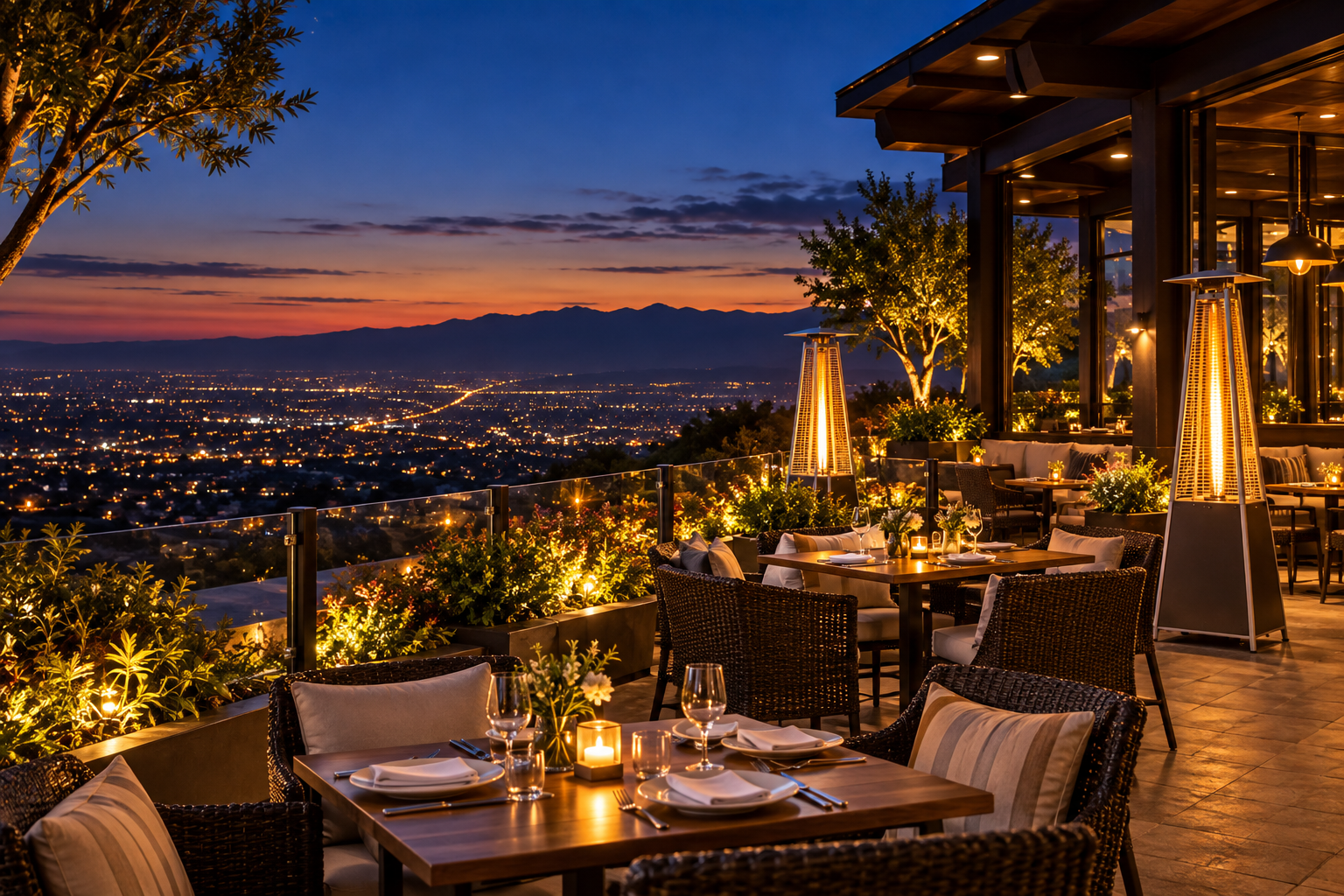
There was no dramatic revelation. I didn't stand there thinking about class or money or how far I had come. I don't remember consciously connecting the evening to all those childhood drives up the same road.
I was simply happy to be there with my wife.
But looking back on it now, I understand why the memory has stayed with me.
When I was a boy, Castaways had been part of the California my family could visit but couldn't quite afford to enter. That never prevented us from driving up the hill. The expensive part wasn't necessary for us to enjoy the place.
Decades later, I returned with wife.
This time, almost on a whim, we walked through the door.
I suppose there is an easy lesson to draw from that. The child who once looked at the restaurant from outside eventually grew up, returned and could afford to have dinner there.
But I don't think that's really the story.
The important part wasn't finally being able to buy the meal.
The important part was everything that came before it.
My parents had given us California without needing much money to do it.
They gave us Hart Park and the robot slide in Saugus. They gave us the Moreton Bay fig tree in Santa Barbara. They gave us Lake Isabella, Morro Bay, Sequoia National Forest and Vasquez Rocks.
They gave us fried burritos and mysterious lights in the sky.
They gave us a Chevy pickup with a camper shell and the expectation that if there was something interesting on the other side of the mountains, we could probably go see it.
And they gave us the winding road to Castaways, even when dinner at the top wasn't part of the deal.
Years later, I was able to give a little of that California to my wife.
On our last evening, we stood together on the patio looking down into the valley in perfect weather.
For a little while, the California of my childhood was still there.
And this time, I got to take her inside.
Comments
I remember that slide in Saugus.